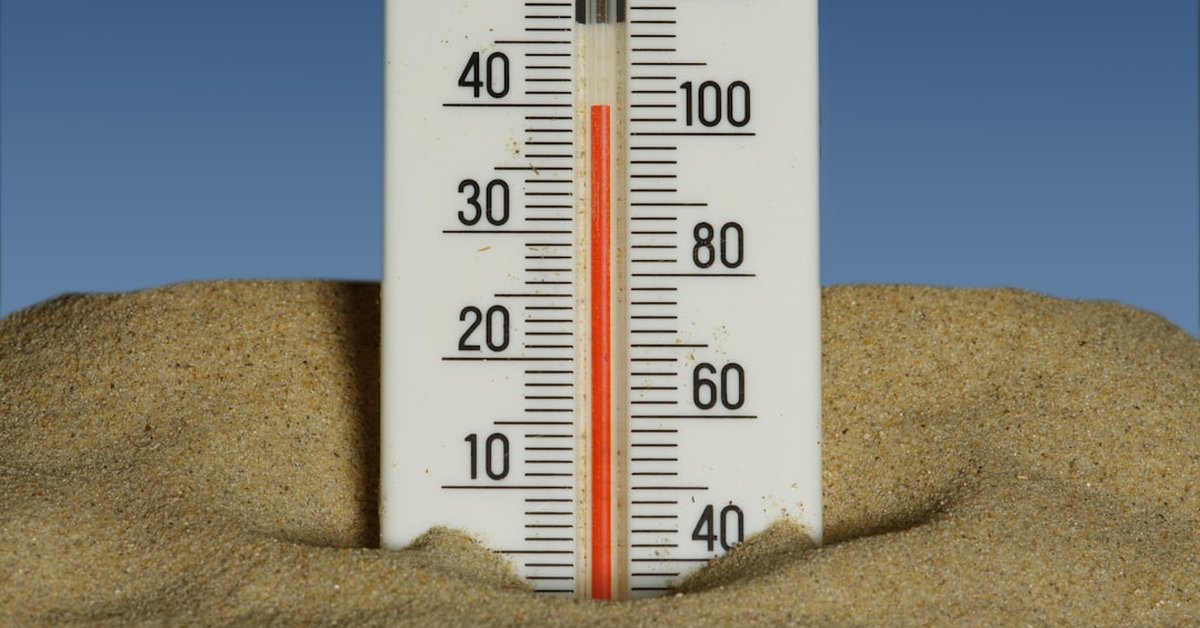






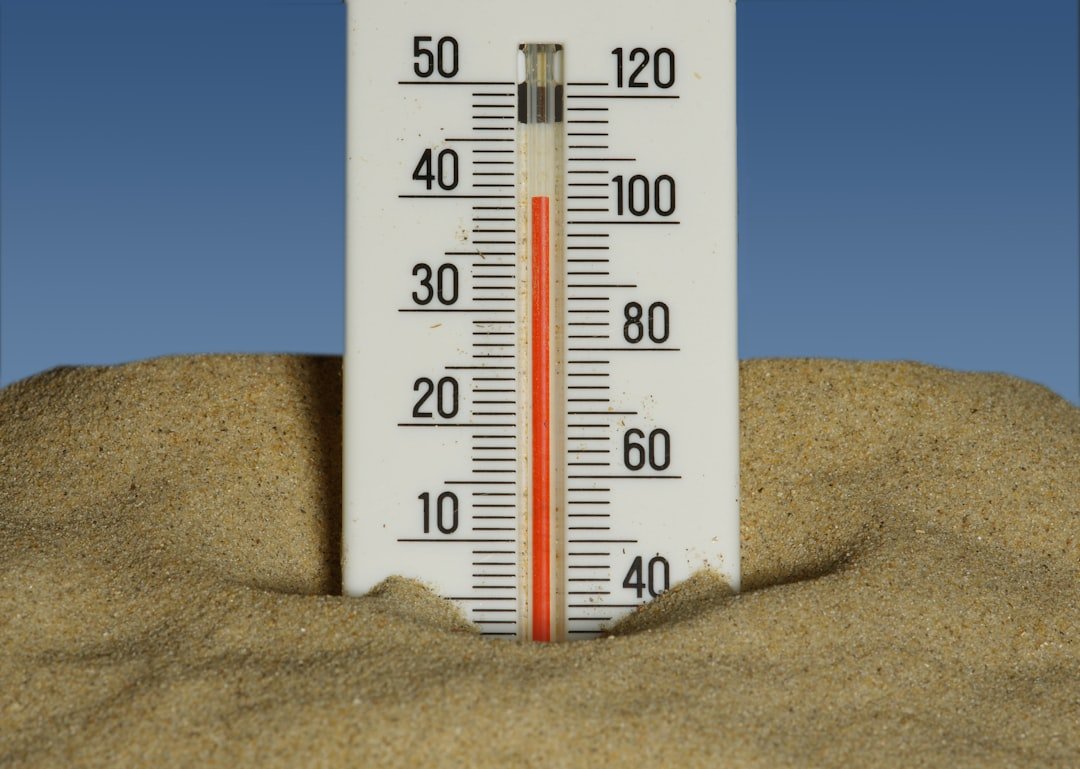
“This is not your typical summer heat,” said Dr. Jan Null, a meteorologist and heat-wave researcher at San José State University. “We’re seeing a sprawling, multi-day event that’s breaking records not just for high temperatures but for the duration of dangerous heat-index values.” Null wasn’t exaggerating. As of Tuesday, July 18, extreme heat alerts covered portions of 31 U.S. states, from the Gulf Coast to the Great Lakes and into the Northeast. The National Weather Service warned that the heat index—a measure of how hot it feels when humidity is factored in—could reach 46°C (115°F) in dozens of cities. That’s the kind of heat that can kill you in hours if you’re not careful.
Where the Heat Hits Hardest
The bullseye of this furnace sits over the central and southern Plains, but the footprint is enormous. From Dallas (32.8°N, 96.8°W) to Des Moines (41.6°N, 93.6°W), and eastward through the Ohio Valley into New York City, heat advisories and excessive heat warnings are in effect for nearly 120 million people. The core of the worst heat index values—110–115°F (43–46°C)—stretches from eastern Kansas across Missouri, Illinois, Indiana, and western Kentucky. In St. Louis, the heat index hit 114°F at 2 p.m. local time, prompting the NWS to issue an excessive heat warning that won’t expire until Thursday evening. The city’s emergency management office has already opened 14 cooling centers.
But it’s not just the big cities. Rural areas in Arkansas, Tennessee, and Mississippi are seeing the same brutal combination of high 90s and dew points in the mid-70s. “The humidity is what makes this event especially dangerous,” said Josh Palmer, a meteorologist with the NWS office in Memphis. “When the dew point is above 70°F, your body’s primary cooling mechanism—sweating—stops working as efficiently. You can’t cool down, and your core temperature rises fast.”
Look, every summer has heat waves. But this one is different in its sheer geographic scale. The ridge of high pressure responsible is parked over the central U.S. like a lid on a pot, and it’s not moving. That means day after day of oppressive heat, with overnight lows failing to drop below 80°F in many areas. When night doesn’t bring relief, the death toll climbs. According to the CDC, heat-related deaths in the U.S. have been rising since 2018, with more than 2,300 deaths in 2022 alone. This event is primed to push those numbers higher.
The Danger Nobody Sees
If you’ve ever read our coverage of the July Fourth heat wave, you know that heat is often underestimated because it doesn’t rip roofs off homes like a tornado. It’s silent. It’s slow. And it preys on the vulnerable: the elderly, the unhoused, outdoor workers, people without air conditioning. In a recent report, the U.S. Department of Health and Human Services noted that each year, extreme heat causes more deaths than hurricanes, flooding, and tornadoes combined. But because heat deaths are often listed as “cardiac arrest” or “stroke” on death certificates, the true toll is undercounted.
This week’s event is a textbook example of that hidden danger. In Chicago, where the heat index is forecast to hit 108°F on Wednesday, the city has activated its emergency heat plan, extending hours at public libraries and park district fieldhouses. But for the estimated 25,000 Chicago households without any form of air conditioning, those shelters are a lifeline. “We’re already seeing an uptick in heat-related 911 calls,” said Dr. Oluseun Johnson, medical director of emergency services at Rush University Medical Center. “Patients come in with heat exhaustion, heat cramps, and we’ve had two cases of heatstroke since Monday. That’s alarming for this early in the week.”
And it’s not just the U.S. A parallel heat wave is scorching Europe, where temperatures have hit 113°F in Spain and Italy. The politics of cooling have become a flashpoint in some countries—air conditioning is now a right-wing rallying cry in parts of Europe, where many homes still lack AC. The global context underscores a grim reality: heat waves are becoming more frequent, more intense, and longer-lasting due to climate change. According to NOAA, the U.S. is averaging 10 extreme heat events per year in the 2020s, up from 2 per year in the 1960s.
Why This Heat Wave Is Different
What sets this event apart is not just the temperature numbers but the stagnation. Typically, a strong cold front sweeps through after a few days, pushing the heat east or south. But the current upper-level ridge is so strong that it’s blocking any significant weather systems from moving in. The NWS Climate Prediction Center’s 6- to 10-day outlook shows above-normal probabilities for heat continuing through next week across the Midwest and Ohio Valley. That means relief—real relief—is a long way off.
This stalled pattern is reminiscent of the 1995 Chicago heat wave, which killed over 700 people, or the 2003 European heat wave that killed 70,000. But those were exceptional events; now, stalled ridges are becoming more common. A 2022 study in the journal Geophysical Research Letters found that the frequency of such “quasi-stationary” heat waves has increased by 20% since the 1980s, and the area they cover has expanded by 15%. We are living in the era of the stuck heat dome.
For readers in the affected zones, the message from the NWS is blunt: “Drink plenty of fluids, stay in an air-conditioned room, stay out of the sun, and check up on relatives and neighbors.” That last part—checking on neighbors—is crucial. Social isolation is a major risk factor in heat mortality. If you know an older person living alone, call them. Knock on their door. Make sure they have water and a cool place to go.
Survival Tips and Infrastructure Strain
The electric grid is also under pressure. The Midcontinent Independent System Operator (MISO), which coordinates the power supply for 15 central states, has issued a conservation alert for Wednesday afternoon, when demand is expected to peak near 190,000 megawatts—a record. “We’re asking consumers to set their thermostats at 78°F or higher, avoid running major appliances between 2 p.m. and 7 p.m., and turn off lights they aren’t using,” said MISO vice president Priya Nagisetty. “If demand exceeds supply, we may have to implement controlled outages. We don’t want to go there, but it’s a possibility.”
Outages in a heat wave are a recipe for disaster. Without power, there’s no air conditioning, no fans, no refrigeration. In New Orleans, after Hurricane Ida knocked out power for weeks, the heat contributed to several deaths. The same dynamic is playing out now on a smaller scale. Already, scattered blackouts have been reported in Dallas and St. Louis. The NWS reminds people to never use generators or grill charcoal indoors—the risk of carbon monoxide poisoning spikes during outages.
But let’s be real: the best defense is still a working AC unit. If you don’t have one, seek out a cooling center. The Red Cross has a map of open shelters at redcross.org. And if you’re healthy enough to help, volunteer to drive neighbors to cooling centers. Small actions save lives in a heat wave.
So what comes next? The ridge will eventually break down—maybe by the end of next week—but not before more records fall. Heat doesn’t make the front page like a hurricane does, but it kills more people. This week, 120 million Americans are living through a slow-motion disaster. The numbers—31 states, 115°F heat index, millions without AC—tell the story. But the real story is the human toll that we won’t fully know until weeks or months later, when the death certificates are tallied. That’s the part we can’t afford to ignore.
Frequently Asked Questions
What exactly is the heat index, and why does it matter?
The heat index is what the temperature feels like when humidity is combined with air temperature. When humidity is high, sweat evaporates more slowly, making it harder for your body to cool down. A heat index of 115°F means that even if the thermometer says 100°F, your body is under the same stress as if it were 115°F. The NWS issues advisories when the heat index exceeds 100°F for two or more consecutive days.
How can I tell if I have heat exhaustion or heatstroke?
Heat exhaustion symptoms include heavy sweating, cold/clammy skin, nausea, dizziness, and a fast but weak pulse. Move to a cool place, drink water, and apply cool cloths. Heatstroke is a medical emergency. Signs: hot/red/dry skin, body temperature above 103°F, rapid strong pulse, confusion, or loss of consciousness. Call 911 immediately—do not give the person anything to drink if they are confused.
Is this heat wave directly caused by climate change?
No single weather event can be 100% blamed on climate change, but scientists have shown that heat waves like this are now 5–10 times more likely due to global warming. According to NOAA’s 2023 State of the Climate report, July 2023 was the hottest month ever recorded for the planet. The underlying physics is simple: more greenhouse gases trap more heat, making extreme temperatures more common.